



15 May Facing Surgery with Type One Diabetes: What We Learned from the OR
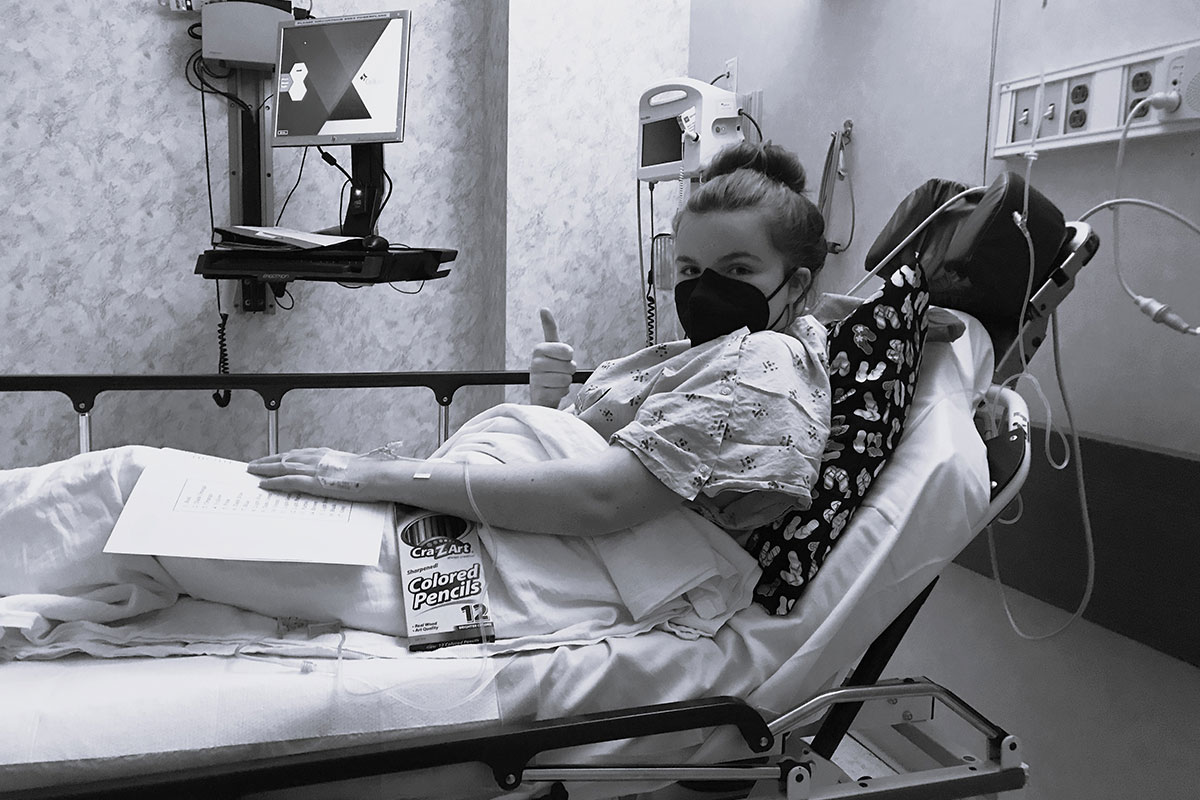
In early 2022, Ellie had to undergo complicated oral surgery that required general anesthesia (her first time ever being put under) in the hospital. For someone living with type one diabetes (T1D), the procedure itself wasn’t the only thing Ellie was nervous about. Managing her blood sugar before, during, and after surgery quickly became our biggest concern. Ellie had been living with diabetes for years, but this experience pushed us to become even more proactive about her care.
Here’s what we learned, and what we wish we had known going in. For anyone else navigating surgery with T1D, I hope this helps.
Self-Advocacy Isn’t Optional, It’s Essential
Before surgery, we realized how important it is to speak up. Even though diabetes awareness is increasing, not every provider is familiar with diabetes technology like insulin pumps or continuous glucose monitors (CGMs). We had to explain how Ellie’s devices worked and ask specific questions about how her blood sugar would be monitored while she was unconscious.
Here are some of the questions we found helpful to ask:
- Will Ellie be able to wear her CGM and pump in the operating room? (In her case, yes to both.)
- How often will blood sugar be checked during the procedure?
- How will insulin needs be handled if it’s necessary to remove the pump?
- What’s your protocol if Ellie goes low during anesthesia?
If you don’t ask, assumptions can be made, and those assumptions may not match your actual needs.
Preparing for Surgery with T1D
Surgery adds an extra layer of stress to diabetes management. We learned that some medications need to be stopped well in advance. These decisions should always be made with your healthcare provider. While it wasn’t the case with Ellie’s surgery, we learned to prepare for the possibility that a pump might need to come off. That means knowing the total daily basal dose in case a switch to injections was needed. We also made sure to write down all of Ellie’s settings and keep them on hand.
Pro tip: Ask for the earliest surgery slot you can get. Fasting with diabetes isn’t fun, and the longer you go without eating, the higher the risk of going low. We were fortunate to have Ellie slated for the first surgery of the day.
Blood Sugar Matters — Before, During, and After
What really stuck with me is how much your glucose control can impact your surgical outcome. High blood sugars (especially anything over 250 mg/dL) can lead to delays or cancellations, not to mention increased risks of infection and slower healing afterward.
Before surgery, we were asked to aim for a blood sugar below 200 mg/dL. And afterwards, staying in range helped Ellie bounce back more quickly. Surgery itself (and the stress around it) can make blood sugars spike, so having a plan in place for monitoring and adjusting insulin is crucial.
Emergency? Be Ready Anyway
Not every procedure is planned — and in an emergency, you might not have time to grab your diabetes supplies or walk through your care preferences. That’s why I’ve since made a “just in case” list on my phone that includes:
- Medications and doses
- Ellie’s insulin settings (basal, insulin-to-carb ratios throughout the day, correction factor)
- Allergy info
- Emergency contacts (add a healthcare proxy document if you’re of age)
Even if things go sideways, you’ll feel a little more in control knowing that vital info is easily accessible.
After Surgery: Watch for Infection
Recovery is a vulnerable time, especially with diabetes. High blood sugar can make you more prone to infections, and wounds may take longer to heal. After Ellie’s procedure, we kept a close eye on the surgical site — looking out for increased redness, pus, or pain — and stayed in touch with her care team to address any concerns early.
The Takeaway
Having surgery with T1D doesn’t have to be terrifying, but it does require planning. I learned that advocating for yourself or your child isn’t just helpful, it’s necessary. Communicate clearly, ask questions (even if they feel silly), and prepare for what’s ahead.
Diabetes may be with Ellie in every part of life, including the OR, but we’ve learned that with the right knowledge and preparation, we can face anything, one blood sugar reading at a time.
As always, this blog post is not intended as medical advice and should not replace conversations with your healthcare providers, but rather serve as a starting point for discussions and questions about surgery with T1D.
Surgery Prep Checklist for People with T1D
(Print this or save it to your phone for easy reference)
✅ Before Surgery
- Talk to your endocrinologist or diabetes care team about your upcoming procedure.
- Ask your surgical team if you can wear your CGM and/or pump during surgery.
- Know your:
- Total daily basal insulin dose
- Insulin-to-carb ratios throughout the day
- Correction factor
- Pack a diabetes go-bag with:
- Glucose meter
- Backup pump supplies
- Insulin pens/vials + syringes
- CGM sensors and transmitter
- Fast-acting glucose
- Make a medication list (including supplements + allergies) to bring with you.
- Prepare a healthcare proxy or designate a care partner in case you’re unable to advocate for yourself.
✅ Day of Surgery
- Confirm surgery time — aim for the earliest slot if fasting is required.
- Follow pre-op fasting instructions from your surgical team.
- Check your blood sugar before leaving for the hospital.
- Bring all your diabetes supplies — even if you don’t think you’ll need them.
- Make sure your care team knows how to use your tech (offer a quick explanation or printed info sheet).
✅ After Surgery
- Resume blood sugar monitoring as soon as you’re alert and able.
- Watch for signs of infection at the surgical site:
- Fever/chills
- Redness or swelling
- Pain that’s increasing instead of decreasing
- Pus or odd-smelling drainage
- Follow up with your endocrinologist if your glucose levels are out of range post-op.
- Rest, hydrate, and recover — your body (and blood sugar) will thank you.
Surgery & T1D: FAQs
Q: Can I keep my insulin pump and CGM on during surgery?
A: It depends on the type of surgery and hospital policy. Ask your surgical team ahead of time. In many cases, you can keep them on — but they might need to be removed if they’re in the surgical field.
Q: What if I go low during the surgery?
A: Let your anesthesia team know you’re concerned about hypoglycemia. They’ll monitor your glucose and administer dextrose via IV if needed — but only if they know that’s a risk for you, so speak up early.
Q: What if my blood sugar is high the day of surgery?
A: Great question! Ask your surgeon in advance. Most surgical teams will postpone or cancel surgery if your blood sugar is over 250. If you’re struggling, contact your diabetes team for guidance and for what is an appropriate aim (under 200?) before heading in for surgery.
Q: Do I need to stop eating and drinking even if I have diabetes?
A: Yes, we were told that fasting is critical to prevent anesthesia-related complications. However, ask your team about how to safely fast without going low. They may adjust your insulin doses or schedule you early to minimize risk. Again, communication is key!