

21 Nov Thanksgiving, Type One Diabetes, and Finding Balance: Tips for Navigating Food Centric Holidays
Navigating a food-focused holiday like Thanksgiving can feel overwhelming when diabetes is part of the picture. The day is centered around abundance — family, gratitude, and food (of course), but managing blood sugar amid the mashed potatoes and pumpkin pie takes planning, flexibility, and support. That’s why we wanted to share two perspectives on how our family approaches Thanksgiving with type one diabetes (T1D): Mine, as a mom, and Ellie’s, as a teen who’s learned to balance insulin, intuition, and enjoyment. We’re not experts, but we’ve learned a lot with the help of our friend Natalie Allen, MEd, RDN, LD, a Clinical Associate Professor in Nutrition and Dietetics Program in McQueary College of Health and Human Services at Missouri State University. She has guided and encouraged us along the way.
Mom’s Perspective
The week before Thanksgiving 2016 changed everything. Ellie’s T1D diagnosis came out of nowhere, and we were suddenly thrown into a world of glucose meters, carb counts, and insulin doses — just as the holidays began. I remember asking Natalie how we could possibly manage Thanksgiving dinner. Her advice was simple but powerful: plan ahead, stay flexible, and be kind to yourself.
Over the years, we’ve learned that managing diabetes on Thanksgiving doesn’t mean skipping favorite foods; it means finding balance. For Ellie, that looks like building a plate that’s half non-starchy vegetables, a quarter protein (turkey!), and a quarter carbs. It also means eating something earlier in the day to avoid arriving at dinner starving, walking after the meal, and remembering that a few high blood glucose (BG) readings do not erase progress.
We’ve also learned to take control when we can by bringing a veggie dish to share, pre-bolusing when possible, and adjusting expectations. Thanksgiving isn’t about perfection; it’s about connection. A little grace goes a long way.
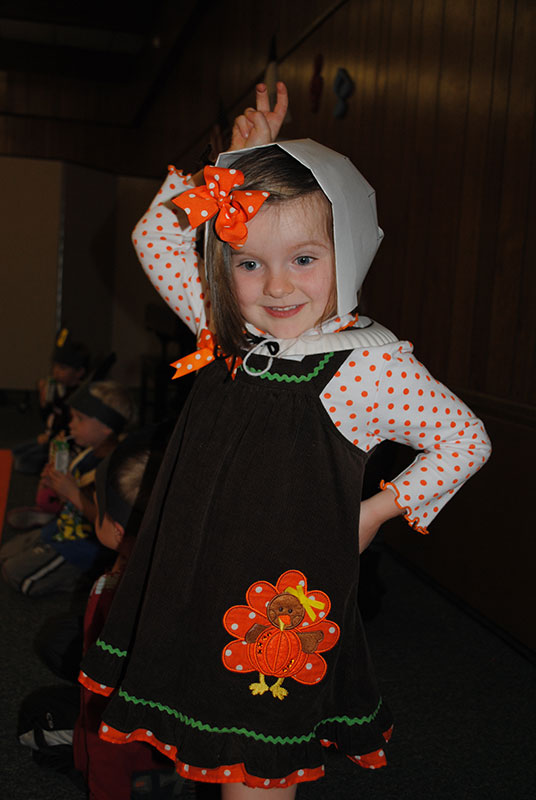
Ellie’s Perspective
When I was first diagnosed, Thanksgiving felt like the worst timing ever. Everyone else was digging into stuffing and pie, and I was counting carbs and worrying about highs and lows. Over time, though, I’ve figured out how to enjoy the day without feeling like I’m missing out.
I start with veggies first. This helps me fill up before the heavy stuff. Then, I pick the carbs I really love and skip the ones that don’t matter to me. If I want dessert, I plan for it and make it fit. I’ve also learned not to skip insulin out of fear of lows. I dose carefully and keep an eye on my CGM. A quick walk after dinner helps, too.
Most of all, I’ve stopped labeling food as “good” or “bad.” Some choices make me feel better than others, but nothing is off-limits. Thanksgiving isn’t about deprivation; it’s about enjoying what you love and feeling good while you do it.
What Works for Us
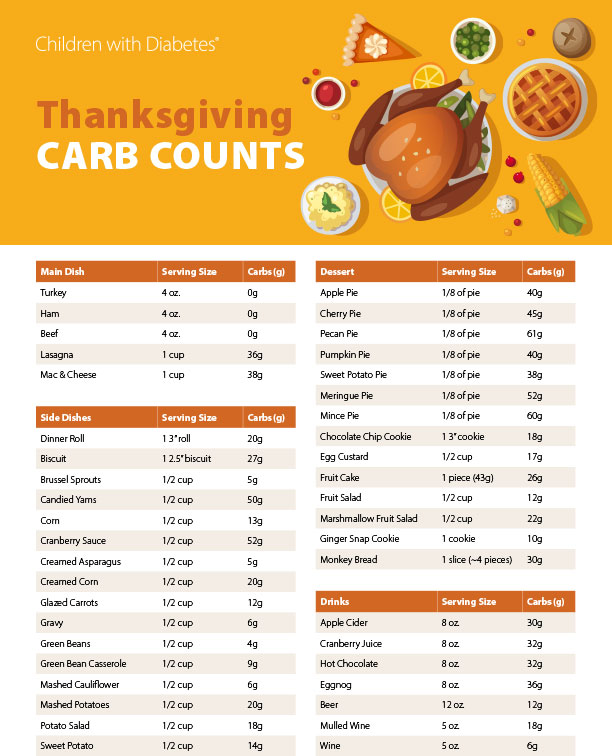
- Plan, don’t restrict. Eat something earlier, review the menu, and estimate carbs ahead of time. Ask family to save nutrition labels to help you count/estimate carbs.
- Build a balanced plate. Fill half with veggies, a quarter protein, a quarter carbs, and enjoy what’s on it.
- Move a little. A short walk after dinner helps balance glucose levels and digestion.
- Stay flexible. Numbers may not be perfect, and that’s okay. One meal doesn’t define your control!
- Show yourself kindness. Diabetes management takes constant work, and holidays are no exception.
Ellie’s Additional Tips and Insights
If I were talking to another teen with T1D about Thanksgiving, here are some candid thoughts:
- You can have fun. You can eat the turkey, and you can have pie. But you’ll manage it a little differently, and that’s okay.
- Know your “why.” I try to think: “How will I feel later if I eat that second serving of stuffing?” If I know I’ll feel grumpy because my blood sugar will spike and crash, I often skip it.
- Watch the “hidden carbs.” Some dishes don’t look super loaded with carbs (like a vegetable casserole) but might have cream, marshmallows, brown sugar. Ask politely and estimate as best you can.
- Don’t skip your insulin out of fear. One of my biggest mistakes early on was avoiding bolusing because I was scared of lows. But, under-doing insulin means a longer high, which feels awful.
- Bring your “toolkit.” I connect my CGM, have my insulin pump settings sorted, bring backup insulin, water, etc.
- Mental check: Sometimes the hardest part is your Everyone else is casually chowing down, but I’m doing math and monitoring. I remind myself: I’m doing extra work so I can be safe and keep enjoying things for years to come.
Mom’s Closing Thoughts
If you’re spending this Thanksgiving with someone who has diabetes, or you’re navigating it yourself, know that it’s possible to enjoy the day and stay in range (mostly). For us, the key has been teamwork: Ellie listening to her body, me supporting her choices, and Natalie guiding us with sound advice. Thanksgiving is still full of mashed potatoes and pie. We just balance those with a little more awareness, a lot more vegetables, and a healthy dose of compassion. The holidays are not about making everything “perfect.” They are about planning ahead, working together (kid, parent, dietitian), and building habits that allow joy and safety. With our dietitian Natalie’s input, we’ve turned a once-terrifying scenario (diagnosis right before Thanksgiving) into something we now look forward to — mindful, celebratory, and balanced.
Ellie and I will be at the table this year, plate in hand, CGM humming, estimating carbs, but also laughing, enjoying family, and remembering that this holiday is about more than food. It’s about connection. Have a blessed Thanksgiving!
Additional Resources: