



19 Feb Why the ISLET Act Matters Right Now for the Type 1 Diabetes Community
For decades, researchers have known that transplanting pancreatic islet cells — the insulin-producing cells destroyed in type one diabetes (T1D) — has the potential to dramatically improve lives. Yet, in the United States, access to islet transplantation has been slowed by a regulatory barrier: Human cadaveric islets are classified as drugs rather than organs.
That may sound like a technical distinction, but it has very real consequences for families living with T1D.
Where the Legislation Stands
The Increase Support for Life-saving Endocrine Transplantation Act (ISLET Act) — Senate Bill 3105 in the 119th Congress — was introduced in November 2025 by Mike Lee, with Ted Budd as a cosponsor. The bill is currently under consideration in the Senate Committee on Health, Education, Labor, and Pensions.
The ISLET Act would clarify that human cadaveric pancreatic islets are organs, not drugs or biologics. That change would move oversight from the FDA’s drug pathway to the established organ transplant system — aligning islet transplantation with how kidneys, livers, and pancreases are regulated.
The bill remains in committee, making this a critical time for advocacy.
Why This Regulatory Fix Matters
Currently, classifying islets as drugs creates logistical and financial barriers that make widespread access extremely difficult. Other countries treat islets as organs, and their systems allow for broader clinical use.
Reclassifying islets would:
- Reduce regulatory duplication
- Improve coordination through the organ transplant system
- Encourage more U.S. transplant centers to offer the therapy
- Potentially improve insurance coverage pathways
This change does not create a cure overnight! However, it could potentially remove a structural barrier that has slowed progress for years.
Where We Are in Islet Transplant Science
The science itself is advancing rapidly.
In 2023, the FDA approved Lantidra®, the first donor-derived islet cell therapy for adults with T1D who experience severe hypoglycemia. Clinical data demonstrated that transplanted islet cells can restore endogenous insulin production and significantly reduce — and in some cases eliminate — severe low blood sugar events.
According to Breakthrough T1D, the field of beta cell replacement therapy is accelerating in several promising directions:
- Stem cell–derived islet cells
- Gene-edited cells designed to evade immune attack
- Encapsulation strategies to protect transplanted cells
- Research aimed at eliminating or reducing the need for lifelong immunosuppression
Early trials in stem cell derived therapies have shown sustained insulin production in participants — a promising sign that we’re moving closer to functional cures! Regulatory clarity becomes essential for scaling these breakthroughs.
What This Means for Families
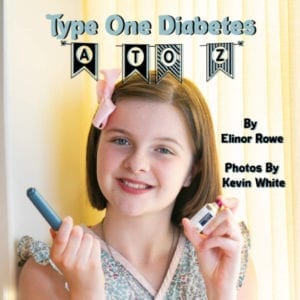
For those like Ellie living with T1D, this is about more than policy language. It is about daily life.
It is about children and adults who make an estimated 180 additional health decisions every day — calculating insulin doses, monitoring glucose levels, preventing dangerous hypoglycemia, and navigating a relentless autoimmune condition that does not pause.
The ISLET Act represents one piece of a much larger effort to move from management to restoration, from constant vigilance toward biological solutions.
With S.3105 currently in committee, this is the moment for advocates to contact their senators and encourage support. Legislative progress paired with scientific breakthroughs brings us closer to a future where T1D is no longer a 24/7 burden.
With S.3105 currently in committee, this is a pivotal window for action. If this issue matters to your family or community, now is the time to make your voice heard. Use the resources below to deepen your understanding of the ISLET Act and its potential impact, and consider adapting the sample letters provided to contact your U.S. Senators and House members. Personal stories and informed advocacy truly make a difference. By reaching out, you help ensure that scientific progress is matched by policy progress — bringing us one step closer to a future where life with T1D is no longer defined by constant management, but by meaningful, lasting solutions.–Megan
Sources & Further Reading
Legislation & Policy
- Text of S.3105 — ISLET Act (119th Congress): Full bill language and provisions for regulating human cadaveric islets as organs rather than drugs. ISLET Act official text (S.3105)
- Bill Status & Sponsors: Sponsor information, committee referral, and current status in the Senate Health, Education, Labor & Pensions Committee. S.3105 bill summary & status (Congress.gov)
- LegiScan overview of S.3105: Cosponsor list and legislative timeline. SB3105 overview (LegiScan)
- Previous ISLET Act version (118th Congress): Background on prior legislative attempts to address islet classification. S.2205 (118th Congress) legislative info
Clinical Progress & Science
- FDA approval of Lantidra: Press release from the FDA on the first donor-derived pancreatic islet cell therapy approved for adults with T1D. FDA approval of first cellular therapy for T1D (FDA)
- Detailed product information on Lantidra: Lantidra’s mechanism and clinical role in managing T1D with severe hypoglycemia. Lantidra product information page
- Medical review of Lantidra efficacy and safety: Clinical analysis of outcomes and implications of islet cell therapy. Peer-reviewed overview of Lantidra in T1D (PubMed)
Future & Emerging Research
- Breakthrough T1D on islet and cell therapy research: Discussion of next-generation approaches like engineered and stem–cell-derived islets. Breakthrough T1D: present and future of cell therapies
- Engineered islets producing insulin without immunosuppressants: Early clinical results showing immune-evasive cells producing insulin (via Breakthrough T1D). Breakthrough T1D engineered islets clinical update
Sample Advocacy Letter to a Member of Congress
[Your Name]
[Address]
[City, State ZIP]
[Email]
[Date]
The Honorable [Member of Congress]
United States [House of Representatives / Senate]
Washington, DC
Dear [Senator/Representative Last Name],
I am writing as your constituent and as a parent of a child living with type one diabetes (T1D) to respectfully urge your support for the Increase Support for Life-saving Endocrine Transplantation Act (S.3105).
This legislation, introduced in November 2025 by Mike Lee and cosponsored by Ted Budd, is currently under consideration in the Senate Committee on Health, Education, Labor, and Pensions. The bill would clarify that human cadaveric pancreatic islets are regulated as transplantable organs rather than as drugs.
This change would remove longstanding regulatory barriers that have limited access to islet transplantation in the United States.
My daughter was diagnosed with T1D at age eight. She lives every day with this autoimmune disease — managing her blood glucose 24 hours a day to prevent dangerous lows and long-term complications. Experts estimate that individuals with T1D make approximately 180 additional health-related decisions each day compared to those without the disease.
Despite remarkable advances in technology, insulin therapy remains a constant balancing act. The possibility of restoring natural insulin production through islet transplantation offers hope not only for reducing severe hypoglycemia, but for meaningfully improving quality of life.
Reclassifying human cadaveric islets as organs would align federal policy with the biological reality of transplantation, strengthen the transplant infrastructure, and help accelerate access to promising therapies while maintaining safety standards.
For families like mine, this is not theoretical. It is about giving our children the opportunity for safer, healthier futures. I respectfully ask you to support S.3105 and help move it forward in Congress. Thank you for your time, your service, and your commitment to improving the lives of Americans living with chronic disease.
Sincerely,
[Your Name]
Version Tailored to Lawmakers from Your State
We’re from Missouri the “Show me” state, and we’d like to see results. Here’s an example of a letter tailored to a specific state:
[Your Name]
[Address]
[City, State ZIP]
[Email]
[Date]
The Honorable [Member of Congress]
United States [House of Representatives / Senate]
Washington, DC
Dear Senator/Representative:
As a Missouri parent of a child living with type one diabetes (T1D), I urge you to support the Increase Support for Life-saving Endocrine Transplantation Act (S.3105).
This legislation would clarify that human cadaveric pancreatic islets are regulated as transplantable organs rather than as drugs. The bill was introduced by Mike Lee and is currently under consideration in the Senate Committee on Health, Education, Labor, and Pensions.
Missouri families are directly impacted by T1D every day. Our children manage blood glucose around the clock to prevent life-threatening hypoglycemia and long-term complications. Despite major advances in technology, insulin therapy remains a relentless balancing act.
Islet transplantation has already demonstrated the ability to restore insulin production and eliminate severe hypoglycemia in some patients. Updating the regulatory framework would allow transplant centers and researchers to expand access responsibly and efficiently.
Missouri has world-class medical institutions and researchers. Supporting S.3105 would help ensure our state remains part of the forefront of medical innovation while improving quality of life for families like mine.
I respectfully ask for your support of the ISLET Act and would welcome the opportunity to discuss why this matters to Missouri families.
Sincerely,
[Your Name]