
26 Aug Dreams, Pumps, and Pink Convertibles: Why the New Barbie Matters to Me
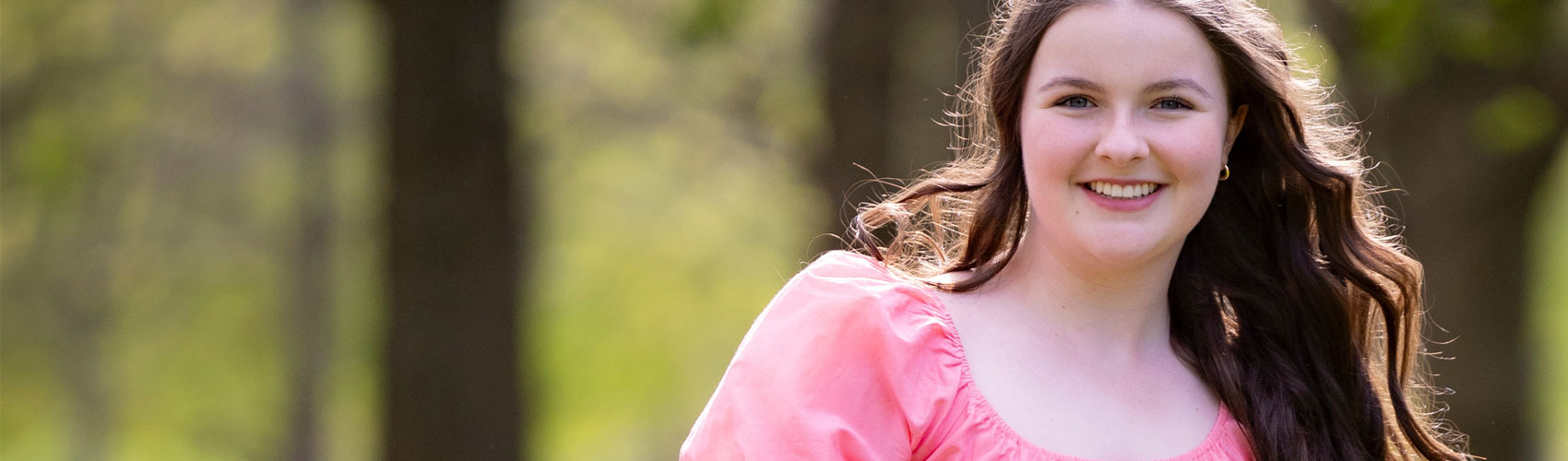
Shining bright in pink just like the new T1D Barbie — strength and sparkle all in one!
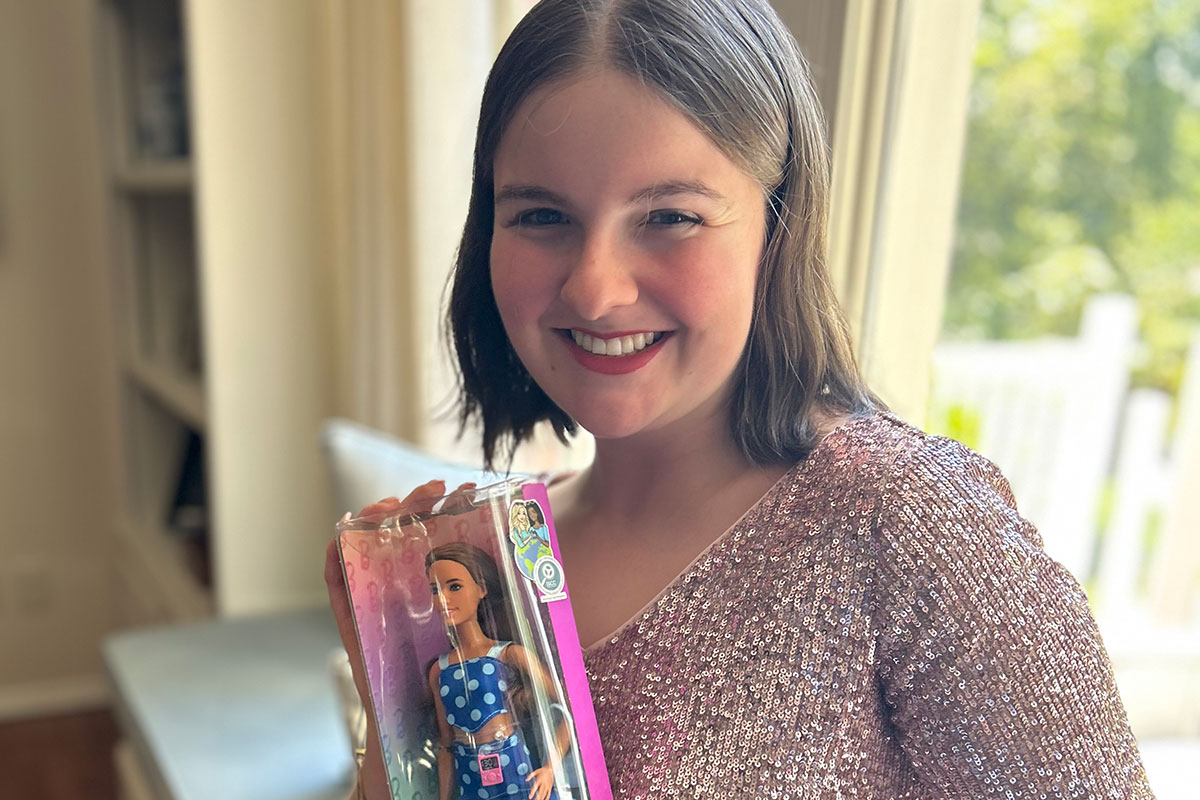
I haven’t played with Barbies in years. My shelves are full of books now, not dolls. But when I saw the news that Barbie had released a new doll with a type one diabetes (T1D) diagnosis—complete with a glucose monitor and insulin pump—I felt something deep inside me shift.
I’m a teenager now, old enough to understand insulin-to-carb ratios and the weight of the glances I get when I pull out my pump or check my blood sugar in public. But, I’m not too old to remember how it felt to be a little kid trying to make sense of a diagnosis that separated me from my friends. Back then, my Barbies didn’t have pumps. They didn’t count carbs or prick their fingers. They lived in dreamhouses and drove pink convertibles and never had to carry juice boxes everywhere just in case.
Seeing the T1D Barbie—my Barbie—made me feel unexpectedly emotional. Because while I wouldn’t necessarily play with her now, I know exactly what it would have meant to have her when I was 8, newly diagnosed, scared, and feeling like the only kid in the world whose pancreas didn’t work.
This Barbie doesn’t just have diabetes—she lives with it. And, she still dreams big! That’s the real magic of Barbie. She’s been an astronaut, a scientist, a president, a surgeon. And now she’s all those things with diabetes. It sends such a powerful message to kids: Your diagnosis doesn’t define you, and it definitely doesn’t limit you.
Representation like this helps kids feel seen. It makes them feel normal. When you’re young and managing a chronic condition, sometimes you just want someone—or something—that reflects your reality back at you. This doll does that. It whispers, “You’re not alone.”
Sadly, not everyone saw it that way. Scrolling through the comments on the announcement post, I was hit with a wave of ignorant and, honestly, hurtful remarks. People saying Barbie was “Promoting an unhealthy lifestyle,” or that “This is what happens when you eat too much sugar.” Others laughed, asking when the “Fast Food Barbie” was coming out.
Those comments reveal a massive lack of understanding about T1D; it’s an autoimmune disease. My immune system attacked my pancreas for reasons even scientists are still trying to figure out. It wasn’t caused by sugar. It wasn’t preventable. And there is nothing I did to deserve it.
But it’s tricky to push back against those stereotypes without seeming like you’re throwing people with type two diabetes (T2D) under the bus. That’s something I think about a lot. The diabetes community is already misunderstood—divided into two types that people outside the community rarely understand or care to distinguish. People with type two face stigma, too. They deserve empathy, not blame.
So, while it’s important to speak the truth about T1D, it’s equally important to do so with compassion and solidarity.
Inclusion matters. Representation matters. And, this Barbie is a beautiful, affirming step forward. I applaud Mattel and Breakthrough T1D for making this happen. It’s not just a doll—it’s a conversation starter. It’s visibility. It’s hope!
To all the little kids out there who just got diagnosed and feel like their life has changed forever, it has, but not in the way you might think. Yes, diabetes is hard. But, you’re still you. You can still dream big. You can still do everything you imagined. Just like Barbie.
She just happens to wear a pump now, too. –Ellie
Here is a link to Barbie (not a paid ad or a sponsorship).