
08 May A Mother’s Day Reflection on Loving a Child with T1D
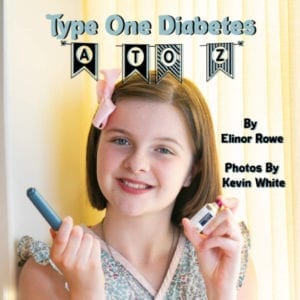
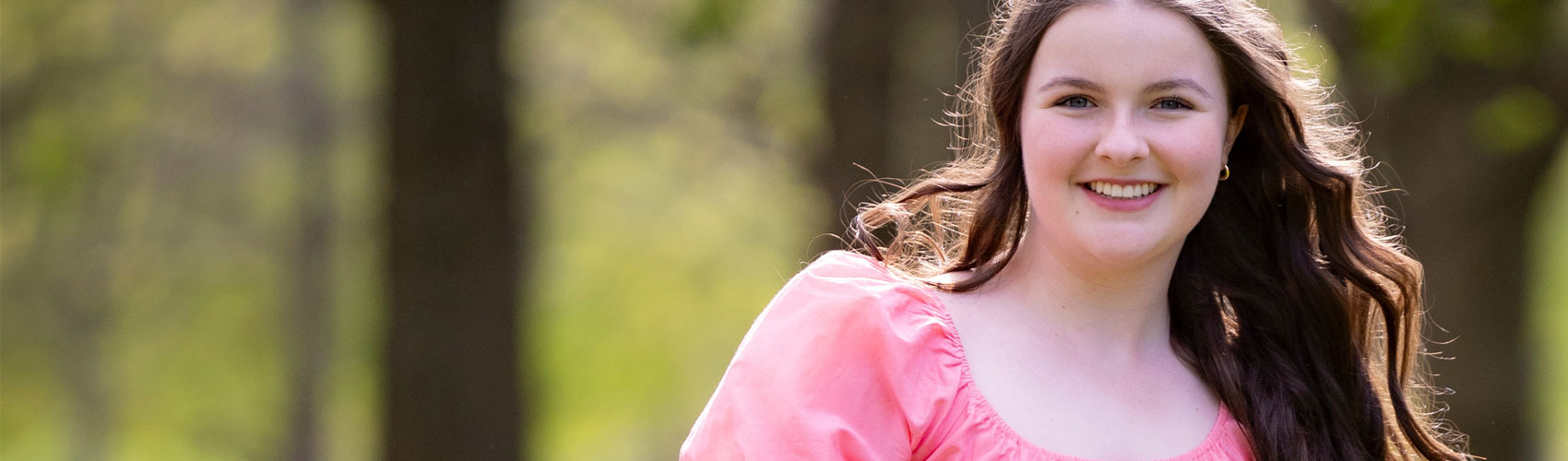
We chose the name Elinor for strength and history. It belonged to queens and literary characters that loomed large. But, we called our daughter “Ellie,” a name as light and lovely as the little girl who would carry it. We brought her home full of joy, bleary-eyed from newborn nights, and wrapped in all the wonder that accompanies a new life. Those early months were a mix of lullabies, diaper changes, and sleepy stumbles across the hall to a cheerful, pink nursery. At the time, I thought this was parenting at its most intense—navigating exhaustion, feeding schedules, teething.
But that was before we learned the word “ketoacidosis.”
Ellie was diagnosed with Type 1 Diabetes (T1D) when she was eight years old. She was in DKA, her blood dangerously acidic, her body fighting against itself. It was the week before Thanksgiving. One moment she was heading to a morning doctor’s appointment expecting to return in time for recess; the next, she was being loaded into an ambulance, Christmas carols playing softly while heated blankets were tucked around her tiny body.
I still can’t breathe when I think about how close we came to the unthinkable. And yet, as a parent of a child with T1D, you do think about it. Not obsessively—but it’s there. Lingering in the background. Quietly shaping decisions, routines, sleep (or lack thereof), and a thousand small acts of vigilance.
Before her diagnosis, Ellie had become increasingly thirsty and thinner. We chalked it up to a growth spurt and unseasonably warm weather. But then came the fatigue. She fell asleep after dance practice, couldn’t focus on homework, and seemed just… off. Our pediatrician didn’t dismiss our concerns. She diagnosed Ellie in her office with a urine test, calmly hugged us, and sent us straight to the hospital.
There is a line in every parent’s life—a before and an after. Ours was drawn that day.
We were stunned, scared, and painfully naïve about T1D. In the days and weeks that followed, we were flooded with information. We learned to count carbs and calculate insulin. We practiced injecting oranges before working up to Ellie’s arm and tummy (her preferred site for injections). We learned to test her blood sugar, treat lows with juice boxes, and before she received a continuous glucose monitor (CGM) rise at midnight and 3 a.m. to test her BG to make certain she didn’t go low in her sleep. Eventually, we’d welcome diabetes devices and respond to CGM alarms in the dead of night like they were fire drills—because in some ways, they were.
We quickly learned that Type 1 Diabetes makes up only a small fraction of all diabetes cases—less than five percent. That meant we weren’t just battling the condition itself; we were constantly correcting misconceptions. Ellie didn’t have the type that can be managed with pills or reversed by diet and exercise. Hers is an autoimmune disease that destroyed the insulin-producing cells in her pancreas. Without insulin, blood sugar rises to toxic levels. Even if Ellie never ate another gram of sugar or carbohydrate again, she would not survive without insulin—within just a few days, her body would begin to shut down.
I remember staring at syringes and calculator screens to determine insulin doses based on ratios that changed throughout the day thinking: I can’t do this. But of course, I could. Because she needed me to.
Motherhood calls forth a kind of strength I never knew I had. Not the loud, warrior-type strength, but the quiet kind—built of sleepless nights, whispered prayers, and the unshakable determination to keep your child safe in a world that no longer feels predictable.
Ellie’s strength, though? That was loud. She embraced the learning curve with more grace than I did. She thanked nurses, adorned her pump with penguin stickers (a nod to her love of the animals), and adapted to a new reality of finger sticks, fast acting carbs, and insulin injections. The girl who once hated shots now self-administered insulin. The girl who once panicked over finger pricks now checked her blood sugar with clinical precision and frequency—before she ate, two hours after she ate, before and after physical activity, before bedtime, etc. She taught me what real courage looks like.
And our village showed up. Friends delivered dinners—complete with carb counts. Ellie’s peers made accommodations without making her feel different. That combination of community, compassion, and sheer tenacity? It carried us.
We had to grieve the life we thought she’d have—the carefree sleepovers, the spontaneous treats, the nights free of midnight math—and then build a new life, one that made room for both the risk and the resilience.
As parents of a child with T1D, you learn to say no to things other families take for granted. Sleepovers, playdates without a parent present, even a simple night away with a babysitter—those all become complicated, if not impossible. Not because we’re overprotective, but because the stakes are unimaginably high. There’s no margin for error with insulin. A miscalculated dose or a missed alarm isn’t just a mistake—it can be life-threatening.
Every once in a while, Ellie will say something casual like, “I didn’t feel that low—I just knew,” and I marvel at her intuition. I marvel at her spirit. And I remind myself that although this disease doesn’t define her, it has helped shape her into someone truly extraordinary.
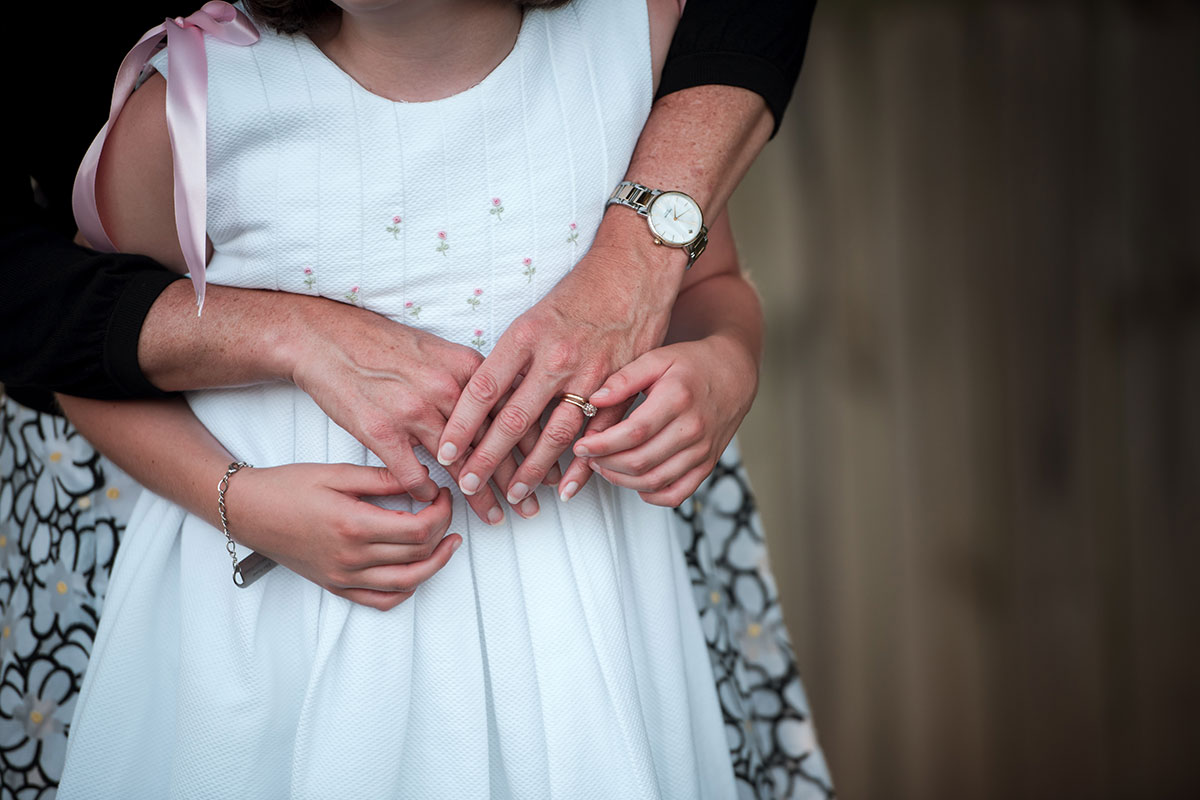
On this Mother’s Day, I’m not celebrating perfection or ease. I’m celebrating Ellie’s laugh in the face of a hard day, her tiny fingers that are now the capable hands that wield technology and medication with the skill of a nurse, and the fact that she still holds my hand when she’s overwhelmed.
I’m celebrating a love that does math at 2 a.m., that learns medical terminology on the fly, that cries quietly behind closed doors and then makes pancakes in the morning with sugar-free syrup.
I’m celebrating a daughter who is brave beyond her years, and the gift of being her mother—even on the hardest days, especially on the hardest days. To every mother walking the road of type one diabetes beside her child, you are doing sacred, unseen work. And, to the brave kids who live this reality every day with courage and grace, you are our heroes. You remind us what strength truly looks like. Happy Mother’s Day to all.—With love, Megan