



11 Apr Top 10 Tips for Managing T1D in Your Teens
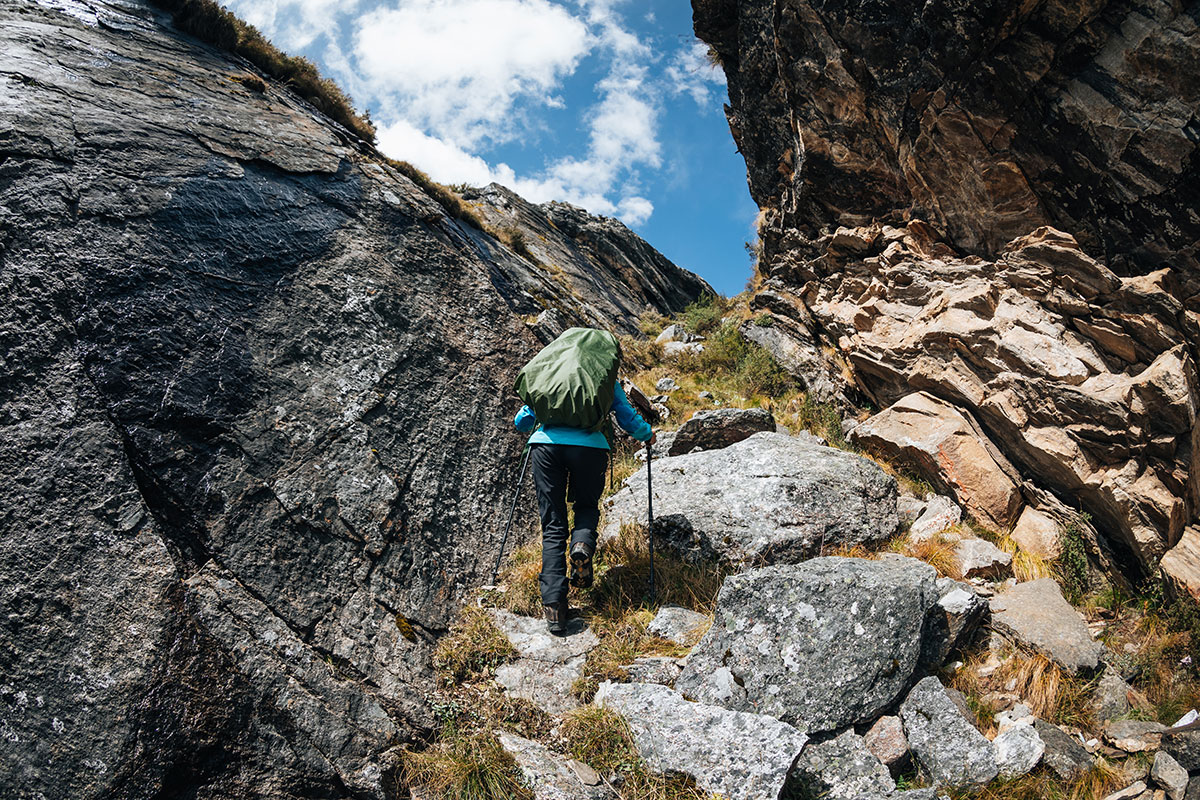
Managing type one diabetes (T1D) in your teens can feel like walking up a mountain with a huge backpack that just gets heavier and heavier. But, with the right strategies, access to diabetes tech, and support from my family, I’m keeping my blood sugar in check while going to class, taking standardized tests, driving, keeping a full schedule of extracurricular activities, working, and hanging out with friends. Here are my top 10 tips to help you live well with T1D. (Please drop yours in the comments. We learn from each other!)
1
Find Your “Why”
Understanding the immediate benefits of in-range blood sugars can be a game changer. Better glucose control gives me more energy, improves my concentration, and puts me in a happier mood.
2
Test (Don’t Guess)
Think of your blood sugar checks as your personal GPS. Frequent monitoring provides real-time feedback, helping me navigate the day safely and avoid unexpected highs or lows. I use a continuous glucose monitor (CGM)—Dexcom G7, but I don’t hesitate to test my blood sugar if something doesn’t feel right, and I diligently check my reading before I drive. I try to keep in mind that my BG readings are data points. They’re info (not grades) that equips me to make decisions about my care.
3
Embrace Technology
My CGM and pump (Tandem T-Slim) offer data and precise insulin delivery, making diabetes more manageable. My devices work in a closed loop and automatically give me more or less insulin based on my BG readings.
4
Build a Support Squad
Surround yourself with friends, family, and healthcare professionals who understand your journey. Hanging out with other people with T1D can also provide a sense of community and shared experience. Breakthrough T1D hosts lots of meet ups in cities across America. We don’t have a chapter of the national charity, but we have another group, Tee 1 D Diabetes Foundation, founded locally that brings young people with type one diabetes together for education, advocacy, and fellowship. Check what’s available in your community.
5
Plan for the Unexpected
Always carry a diabetes kit with essentials like glucose tabs (or a different fast acting carb), insulin, testing supplies, an extra cartridge, syringe, infusion set, charger, etc. Being prepared means you’re ready to handle any situation that comes your way.
6
Communicate with Your Care Team
Regular check-ins with healthcare providers ensure your management plan stays up to date. My mom really helps with this, but I’m doing more of my scheduling, using the patient portal, etc. My big take away after having T1D half of my life is don’t hesitate to ask questions or express concerns. It’s your health, after all.
7
Prioritize Sleep
This, like most things, is easier said than done. It’s worth the effort! Consistent, quality sleep helps with blood sugar regulation and overall well-being. I aim for 8 hours, would love 9 hours, and–most of the time–get 7 hours per night. I used to not sleep with my phone in my bedroom, but I need it to close to me to receive and hear my CGM alarms. The temptation is to use it at night, but I deliberately try to pick sleeping over scrolling or texting. Grab a good book instead.
8
Stay Active
Regular physical activity can improve insulin sensitivity and help manage blood sugar levels. Find activities you enjoy, whether it’s dancing, swimming, or playing a sport. Walking is my activity of choice. Choose something you love so that it feels more like a treat than a chore.
9
Eat Mindfully
Adopt healthy eating habits. You can try to fill half your plate with fruits and veggies, a quarter with lean protein, and a quarter with whole grains. A balanced approach supports stable blood sugars and overall health. It can be tricky with T1D because your relationship with food changes. Sometimes you eat when you’re not hungry to treat a low; you may feel reluctant to try new foods if determining carb counts feels like a guessing game; you have to account for every carb you ingest; and more. I just try to eat a balanced diet, not skip meals, choose nutritious snacks, and give myself grace when I fall short. That brings me to my final tip…
10
Be Kind to Yourself
Managing T1D is a marathon, not a sprint. Celebrate your successes, learn from challenges, and remember that perfection isn’t the goal—progress is.
You’re not alone in this journey! With the right tools and mindset, you can manage T1D effectively and enjoy all the adventures your teens years have to offer. Keep shining! –Ellie