



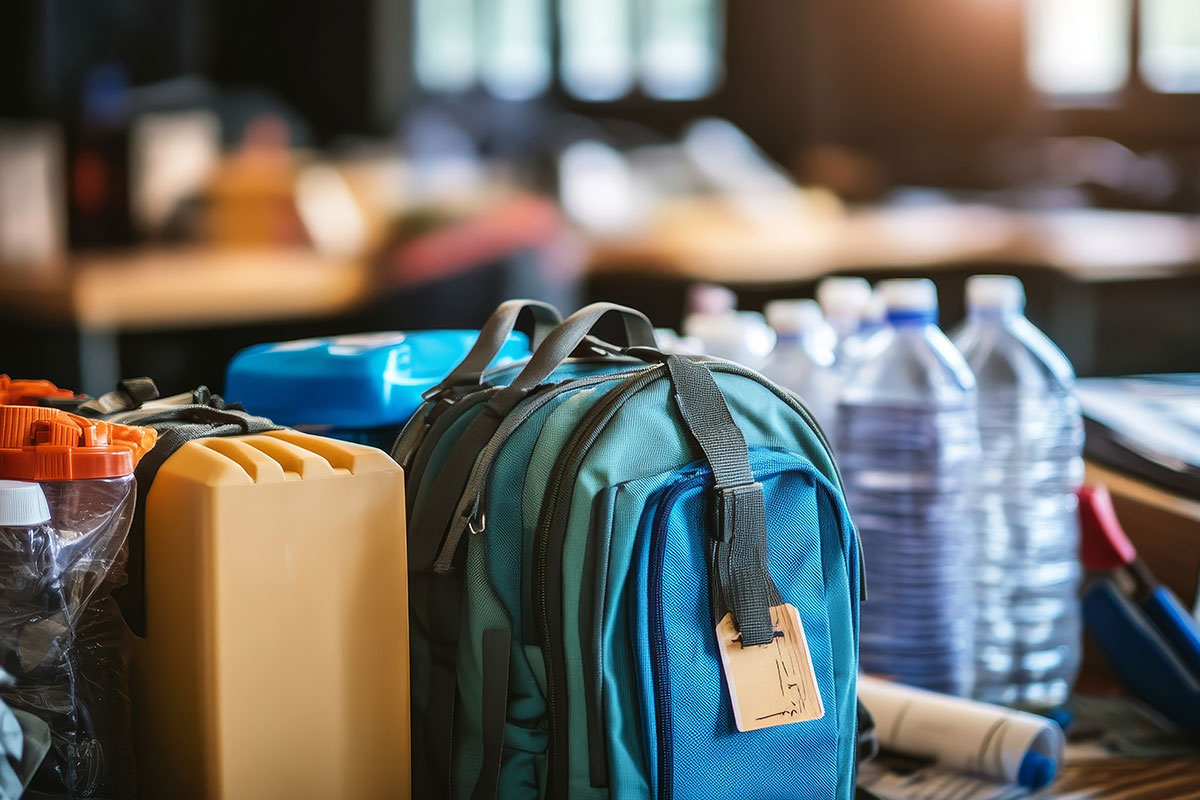
07 Feb How to Prepare for Natural Disasters
Managing type one diabetes (T1D) is no small feat under normal circumstances. Every day requires meticulous planning and constant vigilance—balancing insulin doses, checking blood sugar, treating lows, counting carbs, and monitoring for potential complications. It’s hard to fathom adding a natural disaster to upend controlled chaos.
Whether it’s the horrific wildfires that scorched southern California, tornadoes that leveled neighboring communities, hurricanes and floods, or even ice storms that cause widespread power outages, it’s important for people with T1D to be doubly prepared. The reality of an emergency evacuation or extended shelter-in-place scenario can cause chaos, and the last thing you want is to find yourself in the middle of a disaster without access to your vital supplies.
The recent LA wildfires have deeply impacted many lives. Watching the residents’ resilience shaped how we approach disaster preparedness. Our hearts go out to everyone who has been affected, and we admire their incredible bravery in managing their diabetes care during such difficult times. The strength they show in sharing their experiences and helping each other is invaluable, providing others with courage and knowledge to prepare for similar challenges.
We’re exploring key strategies to help prepare for and survive the unexpected, rounding up reliable resources and expert advice.
- Build your emergency kit early, and update it regularly
- Prepare for power outages and extreme conditions
- Have backup plans for backup plans
- Create a diabetes-focused checklist
- Stay calm
Build your emergency kit early, and update it regularly
The first step in disaster preparedness is to assemble a well-stocked emergency kit that caters specifically to your diabetes needs. This kit should contain everything you need to manage your condition for at least a week. The key is to think ahead and avoid the rush of last-minute scrambling when a disaster is already unfolding. Pack your kit now and review it regularly (at least every three months) to ensure nothing has expired.
Some must-have items to include in your kit:
- Insulin and supplies: A week’s supply of both fast-acting and long-lasting insulin that is refrigerated (but handy enough to add quickly), syringes, insulin pens, or pump supplies. Again, insulin should be stored at the right temperature to assure it’s safe and effective.
- Blood glucose meter and test strips: These help you monitor your blood sugar levels regularly. Take extras! If you use a continuous glucose monitor (CGM), be sure to pack backup sensors and applicators.
- Glucagon: This is essential for treating severe hypoglycemia.
- Ketone test strips: Have some of these handy in case your BG runs high, requiring you to test for ketones.
- Food and water: Pack glucose tablets, gels, or snacks that won’t spoil as well as bottled water to keep hydrated.
- Batteries and power sources: Ensure you have extra batteries for your devices, or invest in portable chargers or power banks to keep your meter, CGM, and phone running.
- Important documents: Copies of prescriptions, photo ID, medical insurance cards, and emergency contacts should be included in your kit. We even include notes on Ellie’s pump settings.
By having a disaster plan and kit in place ahead of time, you’re less likely to experience the scramble that can cause lapses in your diabetes management during a crisis.
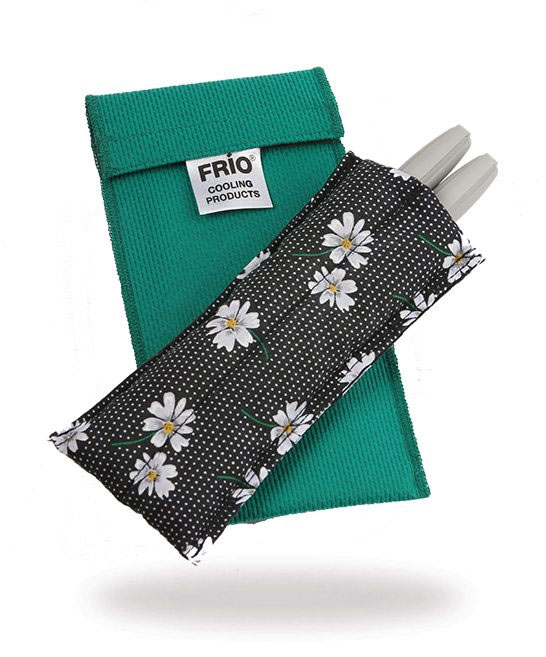
Our approach includes:
1) A “grab and go” bag full of supplies and chargers, including insulin that is currently in use.
2) The Frio Duo Wallet to keep extra insulin cool.
3) A second bag with a backup of everything except insulin stashed in our storm shelter; we’re Midwesterners–an area prone to tornadoes.
Prepare for power outages and extreme conditions
When power goes out, managing diabetes becomes even more difficult. Insulin needs to be kept cool, which can be tricky without refrigeration. We have used an insulated cooler or instant cool packs to store insulin.
Remember that when dealing with power outages or cold fronts, stress can also elevate blood sugar levels. Having a plan to manage fluctuations will be key in maintaining stable glucose levels during chaotic conditions.
Have backup plans for backup plans
Sometimes, despite our best efforts, things go wrong. This is the backup plan for our backup plan:
- Always have extra supplies on hand. Keep backups in multiple places. This can mean carrying extra glucose tablets in your purse or stashing a backup glucose meter in your vehicle or bag.
- Carry a portable phone charger. Especially if you rely on your smartphone or CGM app to track your blood sugar, having a charged phone is critical. Invest in a portable charger or a battery pack to ensure you don’t run out of “juice” at an inopportune time.
- Don’t be afraid to ask for help. In emergencies, speak up about your diabetes needs. Whether it’s explaining your medical situation to an emergency responder or a friend helping you gather supplies, advocating for yourself can help ensure your health and safety.
Create a diabetes-focused checklist
Before disaster strikes, create a checklist for what you’ll need to manage your diabetes. This will help you stay focused and organized during the chaos. Here’s a simple checklist to guide you:
- Insulin (basal and bolus) and syringes
- Backup insulin (in case of spillage or loss)
- Blood glucose meter, test strips, and lancets
- Continuous glucose monitor (CGM) supplies
- Glucagon
- Glucose tablets, juice boxes, and/or snacks
- Water and non-perishable food
- Backup phone charger, power bank, and batteries
- Copies of prescriptions and medical records
- Personal identification, insurance information, and emergency contacts
- Cash
Stay Calm
Natural disasters are unpredictable, and managing your diabetes during a crisis is no easy task. By having an emergency plan, knowing what supplies you need, and being proactive in storing backups, you can keep diabetes in check while handling the chaos around you. And, if you find yourself in an emergency situation, remember that it’s okay to ask for help and to be vocal about your needs. A little preparedness goes a long way in ensuring you’re ready for whatever comes your way.
For more detailed guides and resources check out the following:
Diabetes Disaster Response Coalition
Beyond Type 1’s Diabetes Disaster Preparedness Plan
The American Diabetes Association’s Tips for Emergency Preparedness
–Ellie & Megan