

21 Jan Understanding Type One Diabetes (T1D) vs. Type Two Diabetes (T2D) and Debunking Myths
Is it too late for a retrospective/New Year post? We hope not.
As we look back on 2024, it’s clear that the world of type one diabetes (T1D), continues to evolve in exciting ways. From groundbreaking technological advancements to efforts to cap insulin prices, it’s been a year of both challenges and triumphs. But, as we step into 2025, there’s still much to be done. The New Year is a perfect opportunity to set goals, recommit to past ones, and re-engage with our passions—like blogging!
This year, The Helpful Type is shifting focus to advocate for better resources, increase awareness, and build support within the T1D community. We’ll also keep mental health at the forefront, tackling the topic frequently. We’re excited to build a brighter, more supportive future for all living with T1D. Join us as we reflect, reset, and renew—with intention. —Ellie & Megan
Let’s talk about something that really matters when it comes to diabetes–understanding the difference between type one diabetes (T1D) and type two diabetes (T2D). It’s not just for health class or trivia night; knowing the distinction can make a big difference in keeping people with T1D safe and healthy. Our focus is on T1D because it’s what we know. How we talk about T1D (and T2D) matters!
If there’s one thing we’ve learned in the 8 years since Ellie’s diagnosis, it’s that community is everything when it comes to managing T1D (or really, anything in life).
Let’s do a quick refresher on the basics:
- T1D is an autoimmune condition in which the body’s immune system attacks and destroys the insulin-producing cells in the pancreas. The result? People with T1D don’t produce insulin and need to take insulin daily to survive.
- T2D is typically a result of the body becoming resistant to insulin or the pancreas not producing enough insulin. T2D is more frequently linked to lifestyle factors like diet, exercise, and weight.
These differences matter for safety, especially for someone with T1D. Let’s dive in to look at different management approaches, hypoglycemia, ketosis and DKA, and social and emotional impact.
1. Management requires different approaches
People with T1D rely on insulin every single day—no ifs, ands, or buts. They also must monitor their blood glucose levels constantly, sometimes with a continuous glucose monitor (CGM), to make sure everything is on track. People with T2D don’t always need insulin. In fact, they might manage with oral medications, lifestyle changes, or other treatments before insulin ever becomes a part of their routine.
This difference in management means that if someone with T1D isn’t getting their insulin correctly or something happens to mess with their insulin schedule, their blood sugar can spike OR drop dangerously fast.
On the flip side, people with T2D might not have to worry about an immediate risk, although they need to keep an eye on their glucose levels, too.
2. Hypoglycemia: A BIG concern for people with T1D
Here’s a frightening reality for people with T1D: Hypoglycemia (low blood sugar) can happen quickly if they take too much insulin, skip meals, or exercise more than usual. It can be serious, even deadly, if not treated fast. People with T1D carry glucose tablets and snacks to treat a low and even glucagon for an emergency.
For people with T2D, hypoglycemia isn’t as common. Why? Because they’re often on medication that doesn’t cause those rapid drops in blood sugar like insulin does. However, people taking insulin or other meds that lower blood sugar must still be watchful.
3. Ketosis and DKA: Serious Risks for T1D
Diabetic ketoacidosis (DKA) is a scary, life-threatening condition that mainly affects people with T1D. It happens when the body starts breaking down fat for energy because it’s not getting enough insulin. This can lead to a buildup of ketones in the blood, causing the blood to become acidic. If not caught early, DKA can be fatal.
4. Social and emotional impact
People with T1D can sometimes feel misunderstood when their condition is lumped together with T2D. While both are serious, T1D is an autoimmune disease with no cure, and T2D can often be managed with lifestyle changes and medications and—sometimes—even reversed in its early stages.
When someone asks if you have the “good kind” or “bad kind” of diabetes, we’ve found the best response is to explain that there is no “good type” of diabetes, and all types require careful management. You can say something like, “Actually, there’s no ‘good kind’ of diabetes, each type has its own challenges. I have type one which means…” A little education can go a long way in showing empathy and support.
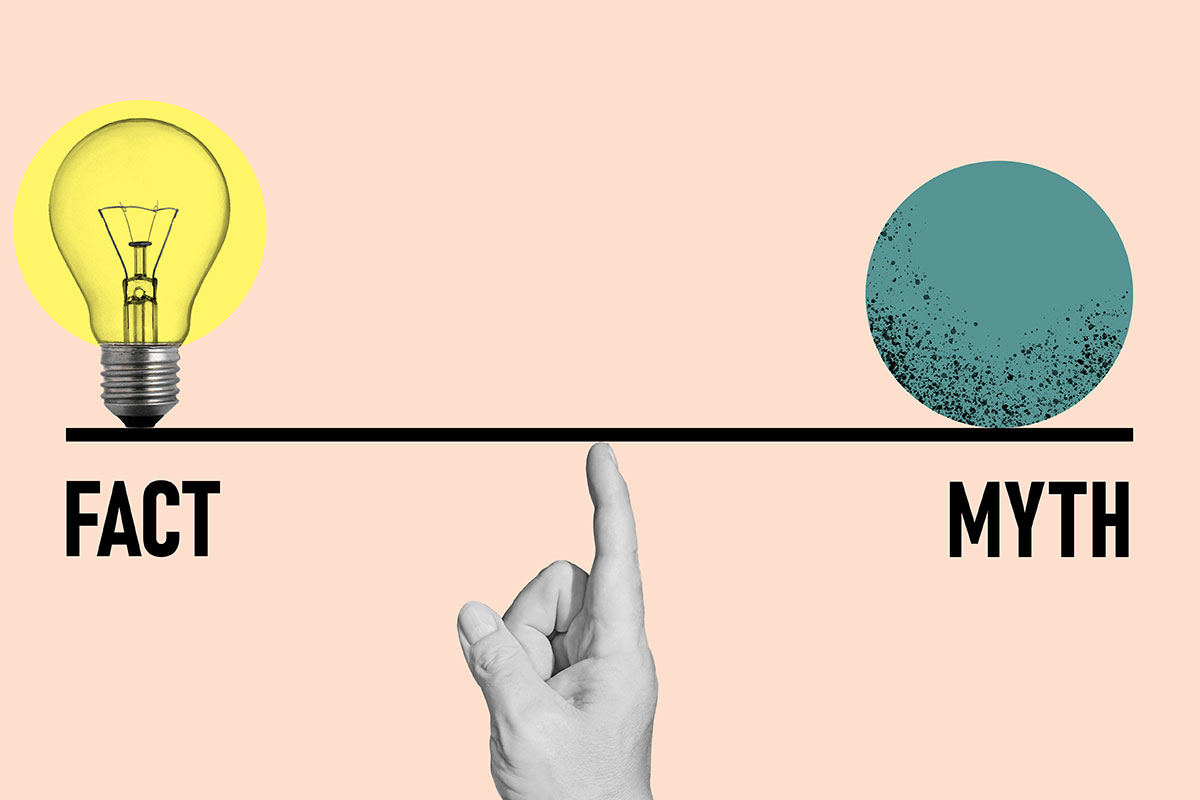
There are many myths and misconceptions about T1D, so let’s set the record straight:
Myth 1: T1D is caused by eating too much sugar.
Fact: T1D is an autoimmune condition, not a result of diet. It has nothing to do with sugar intake.
Myth 2: T1D is “just childhood diabetes.”
Fact: While T1D is often diagnosed in children, it can develop at any age. People do not outgrow T1D.
Myth 3: People with T1D can’t live active, full lives.
Fact: With the right treatment and access to care, many people with T1D lead long, healthy, and active lives. Tools like insulin pumps, continuous glucose monitors, and ongoing medical care make it much more manageable.
Myth 4: People with T1D can’t eat sweets.
Fact: People with T1D can enjoy sweets in moderation, just like anyone else. The key is balance and knowing carb counts so that people can dose the appropriate amount of insulin.
Understanding the real facts about T1D helps to better support those who live with the condition and raise awareness of the unique challenges faced by those with type one. If you or someone you love is navigating T1D, remember that with proper management, there’s every reason you can live a fulfilling and healthy life.
We’re here to support you and learn from you, too. We know that living with T1D can be a rollercoaster; there are highs, lows, and everything in between. We’re committed to navigating it with a positive mindset. Let’s make this year a great one and support each other. If there’s one thing we’ve learned in the 8 years since Ellie’s diagnosis, it’s that community is everything when it comes to managing T1D (or really, anything in life). So, here’s to taking care of ourselves and each other, sticking together, staying informed, and making this year the best one yet!