




29 Jul How to Beat the Heat and Safely Manage T1D in Hot Temps
With summer heat, manage diabetes with extra care staying hydrated, watching your blood glucose (BG) closely, and keeping insulin cool. (There are great accessories for this, but a tried-and-true ice pack always works.) Mindfulness is important since heat can, ironically, cause BG spikes AND lows. Have you ever noticed your blood sugar either shooting up or dropping rapidly in severe temperatures? Many people with type one diabetes (T1D), including Ellie, experience this. We have been baffled as to why. Heat may have much more of an impact on your blood glucose levels than you realize. We’ll share our experiences, discoveries, and additional resources starting with our top three tips to beating the heat and staying safe:
- Hydrate (routinely)
- Check your BG (regularly)
- Keep your insulin cool (consistently)

Hydrate:
When it’s hot, we sweat. We need to replace lost fluids with plenty of water. Also, people with diabetes tend to get dehydrated more quickly than people without diabetes. Signs and symptoms of dehydration can include fatigue, decreased urination, increased thirst, dizziness or light-headedness, headache, dry mouth, and/or dry eyes.
Water is always the best option to keep yourself hydrated in hot. Drinks that act as diuretics or that have a high caffeine or sodium content can actually dehydrate you, so Ellie tries to avoid sodas and most energy drinks, coffee, and/or caffeinated tea. All drinks are not created equal!
Check BG Regularly:
Because hot temps can cause blood sugar levels to fluctuate, it’s a good idea to test frequently. You can then take appropriate and immediate action to bring your blood glucose (BG) into range and keep levels stable. (Always have fast acting carbs and emergency glucagon with you!) You should continue frequent monitoring for several hours after you’re done with any outdoor activity or sport like swimming. (Ellie tends to go low a few hours after she leaves the pool.) Don’t relax your vigilance monitoring your BG even when you’re back inside cooling off.
Keep Insulin Cool and Protect Your Gear:
If insulin is exposed to extreme heat for too long, it will become ineffective, which will certainly cause blood sugar spikes. The heat can also alter the effectiveness of supplies such as test strips and BG meters. Be sure to check the labels on all supplies for specific temperature requirements. When we’re in the heat, we keep Ellie’s insulin vial cool with either a cooling pocket or freezer cooling pack.
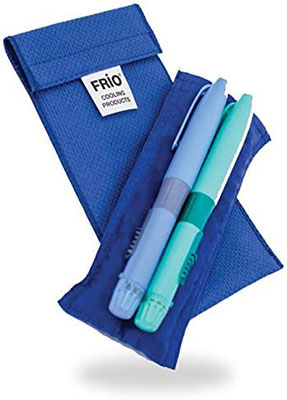
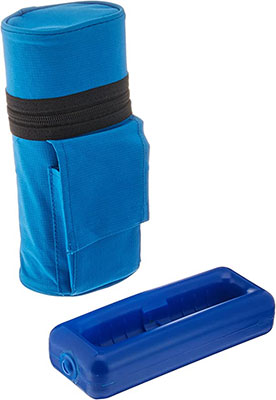
EXTRA TIPS:
Slather on the Sunscreen:
Sunburn can cause your BG to rise. Protect your skin and prevent high blood sugar levels by applying (and regularly re-applying) sunscreen.
Wear Shoes:
Don’t we all love to go barefoot in the summer or around the pool? Be careful. The pavement can reach up to 130 degrees (or more). Bare feet can become burnt feet all too easily. Don’t risk it. Reach for sandals, sneakers, flip flops—whatever you have.
Have a Plan for T1D Devices When You Swim
- Check to make sure you can swim with your diabetes devices. Almost all CGMs and most new pumps are waterproof or at least somewhat splash resistant. (Ellie prefers to take off her pump when swimming and hook it up when she is hanging out poolside, on the beach, or in a boat. When Ellie’s pump is disconnected, we place it in a reusable, insulated, and waterproof bag that seals and place it in a cooler while she swims.)
- Secure your infusion set & CGM with strong, waterproof overpatches.
- Check your blood glucose before activity and every ½ hour while swimming.
Record high temps are cause for extra concern and care, especially for people with T1D who want to savor the season, beat the heat, and safely manage their health. Now, we’re off to celebrate Christmas in July by watching a Hallmark Christmas movie; hope we can manifest a break in this brutal heatwave. Stay safe. Be cool.